

శ్రీ కేదార్నాథ్ సమగ్ర దర్శన సమాచారం
-
 కొలువైన దైవం: శ్రీ కేదారేశ్వర స్వామి (లింగ రూపం).
-
 సముద్ర మట్టం నుండి ఎత్తు: సుమారు 3,583 మీటర్లు.
-
 జిల్లా / రాష్ట్రం: రుద్రప్రయాగ జిల్లా, ఉత్తరాఖండ్.
-
 ట్రెక్కింగ్ దూరం: గౌరీకుండ్ నుండి సుమారు 16 కి.మీ...
-
 ధాం దర్శన సమయం: ఏప్రిల్/మే నుండి అక్టోబర్/నవంబర్ (దీపావళి వరకు)
-
 దర్శన వేళలు: ఉదయం 4:00 గంటలకు ప్రత్యేక పూజలు, సాధారణ భక్తులకు ఉదయం 6:00 నుండే దర్శనం. మధ్యాహ్నం 3:00 నుండి 5:00 వరకు ఆలయం మూసి ఉంటుంది.
-
 సాయంత్రం హారతి: సాయంత్రం 5:00 గంటల నుండి శ్రీ కేదారేశ్వరునికి రుద్రాభిషేకం, శయన హారతి.
-
 ప్రధాన ప్రసాదం: కేదార్నాథ్ లోని పవిత్ర జలాల్లో ఉడికించిన పిండి, మరియు పంచామృతం.
-
 రవాణా సౌకర్యాలు: గుప్తకాశీ, ఫాటా, సెర్సీ, సీతాపూర్ నుండి హెలికాఫ్టర్ సర్వీసులు అందుబాటులో ఉన్నాయి.
-
 ముఖ్యమైన సూచన: ఆలయం వద్ద చలి తీవ్రత ఎక్కువ, ఆక్సిజన్ సమస్యలు వచ్చే అవకాశం ఉంటుంది, కాబట్టి సాధ్యమైనంత వరకూ రాత్రి పూట అక్కడ ఉండే అవసరం లేకుండా తెల్లవారు ఝామునే బయలుదేరి దర్శనం ముగించుకుని చీకటి పడే టైముకి కిందకి వచ్చేయాలి అలాగే తగినంత విశ్రాంతి కూడా అవసరం.
కేదార్నాథ్ స్థలపురాణం తెలుగు
కేదార్నాథ్కేదార్నాథ్ ఆలయం పవిత్రమైన శైవక్షేత్రం :
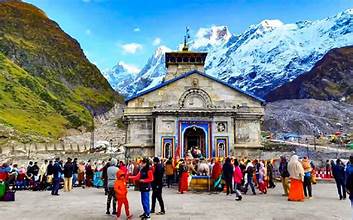
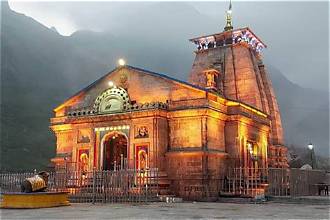
గర్వాల్ కొండల పైభాగంలో ఉంది. ప్రతికూల వాతావరణం కారణంగా అక్షయతృతీయ నుండి దీపావళి వరకు భక్తుల సందర్శనార్ధం ఈ గుడిని తెరచి ఉంచుతారు. ఇక్కడ పూజలు నిర్వహించడానికి అధికారమున్న కుటుంబం అంటూ ఏదీ లేదు. గుడిలో ప్రతిష్ఠితమయిన లింగం యొక్క కాలం ఇదమిద్దంగా ఇంతవరకు నిర్ణయించబడలేదు. గుడి చేరటానికి రోడ్డు మార్గం లేదు. గౌరికుండ్ నుండి గుర్రాలు, డోలీలు, కాలినడకన మాత్రం గుడిని చేరవచ్చు. ఈ గుడిని ఆదిశంకరులు నిర్మించినట్లు విశ్వసిస్తున్నారు. కేదార్నాథ్గుడి వెనుక భాగంలో ఆదిశంకరుల సమాధి ఉంది. 12 జ్యోతిర్లింగాలలో ఇది ఒకటి. ఉత్తరాఖండ్ లోని చార్ధామ్లలో ఇది ఒకటి. గంగోత్రి, యమునోత్రి, బద్రీనాథ్, కేదార్నాధ్ లను ఛోట చార్ ఉత్తరాఖండ్ ధామ్లుగా వ్యవహరిస్తారు.
ఆలయం ముందరి భాగంలో కుంతీదేవి, పంచ పాండవులు, శ్రీకృష్ణుని మూర్తులు వరుసగా కుడ్య శిలలుగా దర్శనమిస్తాయి. గర్భగుడిలో కేదారీశ్వరుడు స్వయంభువుడుగా దర్శనం ఇస్తాడు. ఇక్కడ కురుక్షేత్ర యుద్ధానంతరం సగోత్రీకుల హత్యాపాతకం నుండి బయట పడటానికి పాండవులు శివుని కోసం గాలిస్తూ ఇక్కడికి చేరిన పాండవులను చూసి శివుడు భూగర్భంలోకి వెళ్ళగా పాండవులు విడవకుండా వెన్నంటి శివుని వెనుకభాగాన్ని స్పర్శించి పాపవిముక్తులైనట్లు పురాణ కథనం. తలభాగం నేపాల్ లోని పసుపతినాధుని ఆలయంలో ఉన్నట్లు స్వయంగా శివుడు పార్వతీతో చెప్పినట్లు స్థల పరాణం చెప్తుంది. పాండవులు కుంతీ దేవితో ఇక్కడ ఈశ్వరుని పూజించినట్లుగా ఆ కారణంగా వారి విగ్రహాలు ఆలయంలో ఉన్నట్లు కొందరు విశ్వసిస్తారు. ఆలయ ప్రాంగణంలో యాత్రీకులకు కావలసిన పూజా సామగ్రి దుకాణాలలో లభిస్తుంది. ఆలయ మార్గంలో ప్రయాణించే సమయంలో వృక్షాలతో కూడిన పచ్చని పర్వతాలు జలపాతాలు యాత్రీకులను అలరిస్తాయి. హిమపాతం వర్షం ఏ సమయంలోనైనా సంభవం. ఆలయం పర్వత శిఖరాగ్రంలో ఉంటుంది కనుక భక్తులు శిఖరాగ్రాన్ని చేరి దర్శించి కిందకు రావడం ఒక వింత అనుభూతి.
ప్రత్యేకత :
కేదార్నాథ్ ఆదిశంకరులచే స్థాపించబడిన శివాలయం. జ్యోతిర్లింగాలలో ఇది ఒకటి. హిమాలయాల్లోని చార్ధామ్ పుణ్యక్షేత్రాలలో ఇది ఒకటి. ఆదిశంకరులు ఈక్కడ ఈశ్వర సాన్నిధ్యం చెందటం ఇక్కడి ప్రత్యేకత. అతి పురాతన శివలింగాలలో ఇది ఒకటి.
ఆలయ మార్గం :
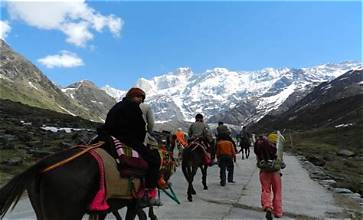
కేదార్నాథ్ ఆలయానికి యాత్రికులు గౌరీకుండ్ నుండి కాలిబాటలో వెళ్ళాలి. 14 కిలోమీటర్ల పొడవున్న ఈ మార్గంలో కొందరు శ్రమకు ఓర్చి కాలిబాటన ప్రయాణం చేస్తారు. ఈ ఆలయానికి యాత్రికులను గుర్రాలలోను, డోలీలలోను, బుట్టలలోనూ చేరుస్తుంటారు. బుట్టలలో యాత్రికులను ఒక మనిషిని ఒక మనిషి మాత్రమే మోస్తూ చేరవేయడం విశేషం. డోలీలో ఒక మనిషిని నలుగురు పనివాళ్ళు మోస్తూ ఆలయానికి చేరుస్తుంటారు. గుర్రాలలో యాత్రీకులతో ఒకరు గుర్రాన్ని నడిపిస్తూ తోడు ఉంటారు. వీరు యాత్రికులను ఆలయానికి కొంతదూరం వరకు తీసుకు వెళతారు. తరువాత ఆలయదర్శనం చేయడానికి వీరిలో ఒకరు యాత్రికులకు తోడు వస్తారు దర్శనానికి సహకరిస్తారు. తిరిగి వారిని భద్రంగా గౌరికుండ్ లోని వారి బస వరకు తీసుకు వస్తారు. పనివాళ్ళ కోరికపై అనేకమంది యాత్రీకులు మార్గంలో అదనంగా వారి ఆహార పానీయాల ఖర్చును భరిస్తారు. రానూ పోనూ 28 కిలోమీటర్ల ఈ ప్రయాణానికి చేర్చి వారికి రుసుము చెల్లించాలి. కొందరు ఒక మార్గానికి మాత్రం కూడా వీరిని కుదుర్చుకుంటారు అన్నీ యాత్రీకుల నిర్ణయం మాత్రమే. మార్గంలో హిమపాతం, వర్షం లాంటి అవాంతరాలు ఎదురైనప్పుడు వారు యాత్రికులకు వేడినీటిని అందించడం, ప్రాణ వాయువు కొరత ఏర్పడినప్పుడు చికిత్సాలయానికి తీసుకొని పోవడం లాంటి అనేక సేవలు వీరందిస్తారు. ఈ ప్రయాణానికి వెళ్ళే సమయం 5 నుండి ఆరు గంటలు వచ్చే సమయం 3 నుండి నాలుగు గంటలు ఇదికాక దర్శన సమయం అదనం. వాతావరణం కారణంగా ప్రయాణం కష్టమైనప్పుడు యాత్రికులు అక్కడి తాత్కాలిక గుడారాలలో రాత్రి సమయంలో బస చేసి మరుసటి రోజు ఆలయానికి వెళ్ళడం సహజం కానీ ఇది చాలా అరుదు. వీరిలో అనేకమంది నేపాలీయులే వీరు విశ్వాసపాత్రులు రుసుము మాత్రం యాత్రికులు ముందుగానే నిర్ణయించుకుంటారు. ఆలయమునకు అనేక శ్రమలను ఓర్చి చేరే భక్తులకు అక్కడి అత్యంత శీతల వాతావరణం మరికొంత ఇబ్బందిని కలిగించడం సహజం. యాత్రికులకు గౌరీ కుండ్లో ఆక్సిజన్ సిలిండర్లు వారి బస యజమానులు సరఫరా చేస్తుంటారు. వీటికి అదనపు రుసుము చెల్లించి యాత్రికులు తమ వెంట తీసుకు వెళుతుంటారు. వీటిని వాడని పక్షంలో బస యజమానులు తీసుకొని రుసుములో కోంత తగ్గించి ఇస్తారు. ఆలయ ప్రాంగణం కొంత మంచుతో కప్పబడి ఉంటుంది. పేరుకు పోయిన మంచు అక్కడక్కడా యాత్రికులకు వింత అనుభూతిని ఇస్తుంది. ఆలయ సమీపంలో ప్రవహించే నదిని మందాకినీ నామంతో వ్యవహరిస్తారు. ఆలయ దర్శనం పగలు మూడుగంటల వరకు కొనసాగుతుంది. ఉత్తరకాశి నుండి హెలికాఫ్టర్ ద్వారా యాత్రికులను ఆలయానికి చేరుస్తుంటారు కానీ ఇది ఖరీదైనది, పరిమితమైనది. ఇవి అనేకంగా ముందుగానే యాత్రికులచే ఒప్పందము జరిగి ఉంటుంది కనుక జాగ్రత్త వహించవలసి ఉంటుంది. ఉత్తరకాశి నుండి ఉదయం 6 నుండి 7 గంటల సమయం నుండి యాత్రికులను ఆలయానికి చేర్చుతుంటారు. హెలికాఫ్టర్లు యాత్రికులను కొన్ని కిలోమీటర్ల దూరంలోనే వదిలివేస్తాయి కనుక కొంతదూరం ప్రయాణించి ఆలయ దర్శనం చేసుకోవడం తప్పనిసరి.
గర్భగుడి :
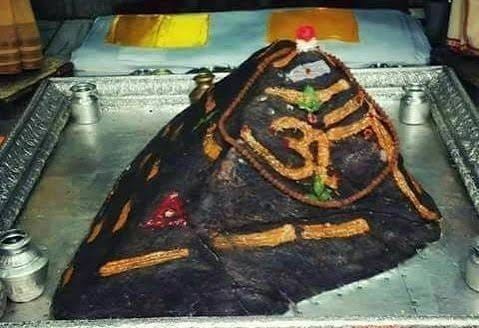
కేదార్ నాథ్ ఆలయం గర్భగుడిలో అందరూ ఊహించినట్టు శివలింగం ఉండదు. కేవలం ఒక ఎద్దు వెనుకభాగంలా మాత్రమే కనిపిస్తుంది. దాన్నే భక్తులందరూ ఎంతో నిష్ఠతో పూజిస్తారు. దీని వెనక ఓ కథ ఉంది. కురుక్షేత్ర యుద్ధం ముగిసిన తర్వాత పాండవులు ఎంతో పశ్చతాపంలో ఉంటారట. యుద్ధంలో ఎందరినో హత్య చేశాం కాబట్టి ఆ పాతకం తమకు అంటుకుంటుందని, దాన్నుంచి పాపవిమోచనం కోసం శివుడిని దర్శించుకోవాలనుకుంటారు. ద్రౌపదితో కలిసి అయిదుగురు హిమాలయాలకు బయల్దేరతారు. ఎన్నో రోజులు కష్టించి గాలించినా శివదర్శనం కాదు. చివరికి కేదార్ నాథ్ ఉండే చోటుకు వస్తారు. అయితే పాండవులకు దర్శనం ఇవ్వడానికి శివుడికి మనసొప్పదు. దీంతో శివుడు ఓ ఎద్దులా మారిపోతాడు. తనను గుర్తు పట్టకుండా మరిన్ని ఎద్దులను సృష్టిస్తాడు. శివుడిని వెతుక్కుంటూ వచ్చిన పాండవులకు ఆవులు, ఎద్దులు కనిపిస్తాయి. ఇంత మంచులో ఆవులు, ఎద్దులు ఎందుకు ఉన్నాయన్న అనుమానం ధర్మరాజుకు వచ్చి భీముడితో కాలు పైకెత్తమని చెబుతాడు. మరో వైపు నుంచి పాండవులంతా ఆవులను ముందుకు ఉరికిస్తారు. ఒక్కో ఆవు/ఎద్దు భీముడి కాలు కింది నుంచి బయటకు వెళ్తాయి. చివరి వంతు ఎద్దు రూపంలో ఉన్న శివుడిది. అయితే పాండవులు పాపం చేశారు కాబట్టి వారికి దర్శనం ఇవ్వడానికి శివుడికి మనసొప్పదు. తప్పనిసరి పరిస్థితుల్లో పాండవులకు కనిపించొద్దన్న ఉద్దేశంతో, భీముడి కాళ్ల కింది నుంచి వెళ్లలేడు కాబట్టి .. హఠాత్తుగా మంచులోకి దూసుకుపోతాడు. పాండవులు గమనించి పట్టుకునేందుకు ప్రయత్నించగా.. ఎద్దు వెనక భాగం మాత్రం అందుతుంది. అలా ధర్మరాజు చేతికి అంటిన మిగిలిన భాగమే ఇప్పుడు కేదార్ నాథ్ లో కనిపిస్తుంది. మంచులో కూరుకుపోయిన తల భాగం హిమాలయాల అవతలి వైపు అంటే ఖాట్మాండులో ప్రత్యక్షమవుతుంది. అందుకే కేదార్ నాథ్ లో దర్శనం తర్వాత నేపాల్ వెళ్లి ఖాట్మాండు పశుపతినాథ్ ఆలయాన్ని దర్శించుకుంటే అద్భుతమని మనకే తెలుస్తుంది.
The Mythological Story of KEDARNATH
Kedarnath Temple :
Hindu temple in India dedicated to the god Shiva and one of the 12 Jyotirlingas (sacred shrines of Shiva). Among the holiest pilgrimage sites in Hinduism, Kedarnath is traditionally associated with Adi Shankaracharya, the 8th-century philosopher and theologian who is believed to have revived the temple and established its status as a major tirtha (sacred site). Located in the mountain ranges of the Garhwal Himalayas in Uttarakhand state, the temple stands at an elevation of about 11,750 feet (about 3,580 meters) beside the Mandakini River, which originates from Chorabari Glacier. The temple is part of the Char Dham (“the four abodes”) pilgrimage (yatra) circuit of Uttarakhand and one of the five temples collectively known as Panch Kedars (panch means “five” and Kedar is one of the names of Shiva). Each year millions of devotees visit Kedarnath. In 2024 the pilgrimage saw a turnout of more than 1.6 million visitors.
Mythology and history :
Kedarnath’s origins are rooted in such Hindu texts as the epic Mahabharata and the Puranas (sacred literature of Hindu myths and legends) and supported by regional oral traditions. In the Mahabharata, the Mahaprasthanika Parva (“Chapter of the Great Departure”) and the Svargarohanika Parva (“Chapter of the Climb to Heaven”) describe the final journey of the five Pandava princes to Kedarnath before their ascent toward heaven. According to the Shiva Purana (a text on the legends and worship of Shiva), sages Nara and Narayana, dual incarnations of the god Vishnu, performed penance in the Himalayas. Pleased with their devotion, Shiva appeared before them and, at their request to stay so that devotees could worship him directly, manifested at Kedarnath as a Jyotirlinga. The Shiva Purana also recounts that after the Kurukshetra war, the Pandavas went searching for Shiva to seek forgiveness for their part in the war. Unwilling to condone them, Shiva disguised himself as a Brahman in Guptakashi (“hidden Kashi”), a town in Uttarakhand. When the Pandavas discovered him, he transformed into a bull and tried to disappear by burrowing into the ground, but he was recognized again. Bhima, the second Pandava prince, caught hold of the disguised god’s tail just as the hump was about to vanish beneath the earth. Shiva relented and instructed the Pandavas to worship the hump, which had remained above ground at the site now known as Kedarnath. The Pandavas are said to have built the temple there to honor Shiva and seek his blessings.
The Skanda Purana (a text on sacred geographies and legends related to Shiva) refers to Kedarnath under the name Kedareshvara as a Himalayan site linked to the descent of the sacred Ganga (Ganges River), where waters are said to flow from Shiva’s matted hair. Drinking this sacred water frees one from the bonds of rebirth (samsara) and grants spiritual liberation (moksha). According to the Kedarakhanda, a section of the Skanda Purana, the sage Vyasa instructed the Pandavas to visit Kedarnath to cleanse their sins. In the presence of Shiva and the Ganges, they performed rituals of penance and were purified.Adi Shankaracharya, the Advaita Vedanta philosopher from Kerala, is traditionally believed to have visited Kedarnath during his travels to consolidate sacred sites associated with Shiva across India. Regarded in many traditions as an incarnation of Shiva, Shankaracharya is credited in local accounts with restoring the temple and integrating it into a pan-Indian Shaiva pilgrimage network. According to tradition, he attained samadhia state of deep meditative concentration uniting with the highest reality near the temple and is believed to have died there.
Significance and rituals :
Kedarnath Temple is one of the 12 Jyotirlingas and part of Char Dham of Uttarakhand (four Hindu pilgrimage sites), along with Yamunotri, Gangotri, and Badrinath. Each year the temple opens to visitors on the festival of Akshaya Tritiya, which usually falls between April and May, and closes before the onset of the harsh winter months, from the occasion of Bhai Dooj, which is celebrated between October and November. The lingam (symbol of Shiva) in the temple, said to have formed naturally (svayambhu), is anointed every day and a rite called arti is performed each evening. During winters, the Shiva murti is moved to the Omkareshwar Temple in Ukhimath, a town at a lower elevation of about 4,300 feet (1,300 meters) in Rudraprayag district, where worship continues.